How to Automate Driving School Scheduling Without Losing the Personal Touch
You can streamline your bookings and still provide the empathy nervous parents expect. Here is the right way to balance tech and trust.
Teaching a teenager how to drive is inherently stressful for parents. When they call a driving school, they aren't just looking for a service provider; they are looking for reassurance. They want to know their child will be safe, patient hands.
Because of this emotional component, many driving school owners resist automation. They fear that using AI or automated booking systems will make their business feel cold, corporate, and uncaring. But what if automation actually allowed you to provide better customer service?
The Problem with Manual Scheduling
Let's look at the reality of manual scheduling. When a parent calls to book a lesson, you often have to put them on hold while you flip through a paper calendar or a messy Google Calendar. You're trying to match an instructor's availability with the student's high school schedule, all while a student is sitting next to you in the car waiting to merge onto the highway.
This process is inefficient, prone to double-booking errors, and frankly, doesn't provide a great experience for the caller. They feel rushed because you are rushed.
How Automation Enhances Empathy
Automation doesn't replace the human element; it removes the administrative friction so you can focus on the human element. Here is how you can automate your scheduling while keeping the personal touch intact:
1. Use Conversational AI, Not Phone Trees
Nothing kills the personal touch faster than "Press 1 for English, Press 2 for Scheduling." Instead, use conversational AI assistants. Modern AI can speak naturally, understand context, and even express empathy.
When a parent says, "My daughter is really nervous about highway driving," an intelligent assistant can respond with, "I completely understand, highway driving can be intimidating at first. Our instructors specialize in anxiety-free coaching and will only move to the highway when she feels 100% ready." That is automation, but it feels deeply personal.
2. Self-Serve Booking with Clear Expectations
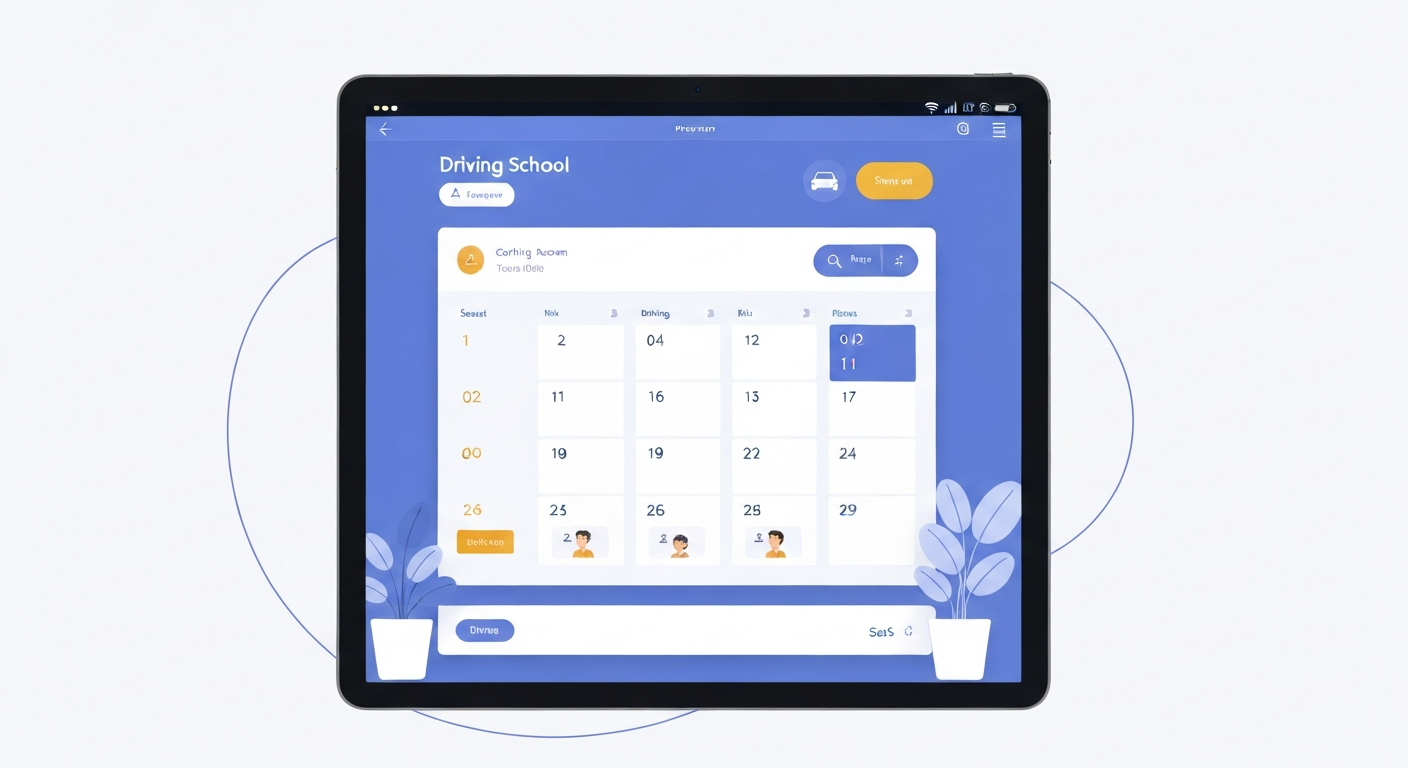
Send parents a direct link to book their lessons online. But don't just send a blank calendar. Surround the booking widget with reassuring content. Include photos of your instructors, details about your dual-brake vehicles, and a clear outline of what to expect on the first lesson.
3. Automated, Personalized Follow-Ups
The personal touch shouldn't end when the booking is made. Set up automated SMS reminders that sound human.
- 24 hours before: "Hi Sarah, looking forward to your lesson tomorrow at 3 PM! Your instructor, Mike, will pick you up in a white Honda Civic."
- 1 hour after: "Great job on your first lesson today! You did excellent with your parallel parking. Let us know if you have any questions before the next session."
Pro Insight: The Power of Names
Always configure your automation to use the student's first name and the specific instructor's name. "Your instructor, Dave" builds significantly more trust than "Our staff member."
When to Step In Personally
The goal of automation is to handle the 80% of routine interactions so you have the time and energy to handle the 20% that require a human touch.
If a parent has a child with special learning needs, or if an incident occurred during a lesson, that is when you pick up the phone personally. Because the AI is handling the routine schedule changes and pricing inquiries, you actually have the bandwidth to have those meaningful, 15-minute conversations that build lifelong loyalty.
Frequently Asked Questions
Will older parents struggle with automated booking links?
The vast majority of parents today are very comfortable booking services online. For the few who aren't, your AI assistant can be programmed to route them to a human or take down their preferred times manually.
How do I prevent students from booking lessons too close together?
A good scheduling system allows you to set rules. For example, you can enforce a minimum of 3 days between lessons to ensure the student has time to practice with their parents.
Conclusion
Automation and empathy are not mutually exclusive. By automating the tedious parts of scheduling and communication, you eliminate errors, reduce wait times, and create a smoother, more professional experience for your students. It's not about replacing the human touch; it's about making sure your human touch is applied where it matters most.
Ready to Modernize Your Scheduling?
See how Sarah AI handles scheduling conversations naturally and professionally.